|
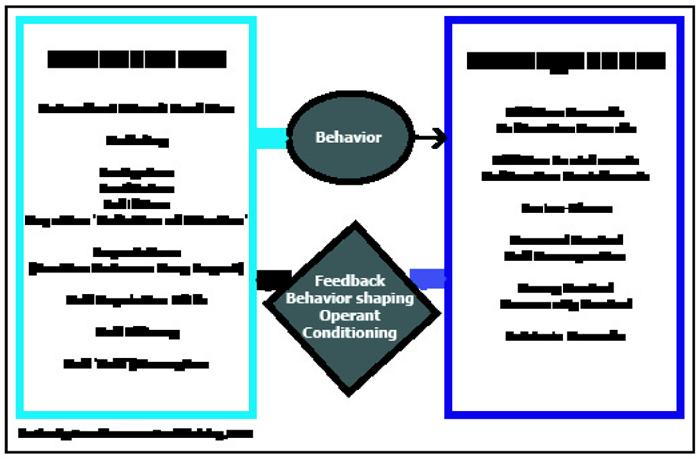
IV. Antecedents, Behaviors, & Consequences Tools to Identify the ABCs Effective change of an offender's behavior begins with an understanding of an offender's ABCs.
A structured interview, as part of an assessment process can identify the certain set of friends (the antecedent) that often results in certain behaviors such as cocaine use or burglaries. The interview can also detect that the offender obtains a short-term positive consequence (the feeling of being "high" from the cocaine use or pulling off a burglary). Negative consequences can also be identified such as the feeling of being out of control, fear of being arrested, or other likely results. Staff must be able to identify offender behaviors that do not comply with the conditions of parole and/or probation. This helps the offender to see a connection between the behavior and likely consequences. These consequences can be shown to be negative (a technical violation) or positive (letter sent to the sentencing judge, support from family, etc.). The goal of supervision is to assist the offender in developing self-diagnosis--skills helping the offender to learn to identify antecedents that cause unlawful behaviors and avoid these behaviors that may lead to trouble (consequence). |
|